
If your kid loves to draw, build, and dream up imaginary worlds, you've probably found yourself staring down the summer camp list wondering: art camp or architecture camp? They sound like they could overlap, and they do a little, but they're quite different experiences, and the right choice really depends on your child.
Here's an honest breakdown of both.
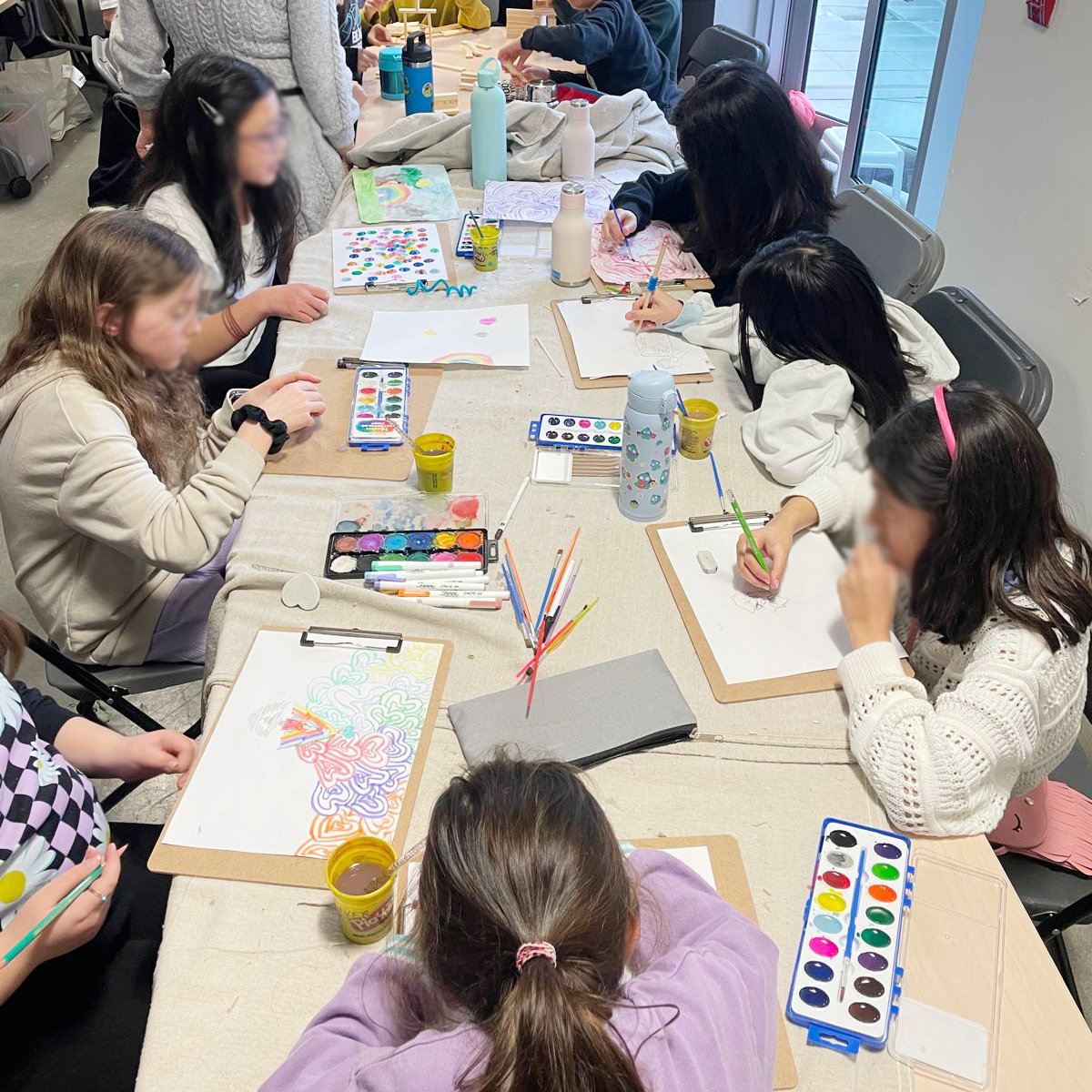
What Happens at Art Camp
Art camp is broadly creative. Depending on the program, kids might spend their days painting, sculpting, printmaking, working with textiles, or exploring digital art. The focus is usually on self-expression, helping kids find their own creative voice, and experiment with different materials and techniques.
Great art camps give kids the freedom to make whatever they want with little pressure around outcomes. The process is the whole point after all. A child might spend a whole afternoon making something that looks like nothing in particular, and that's encouraged.
Art camp tends to be a strong fit for kids who are drawn to open-ended creative play, who love colour and texture, or who need an outlet that doesn't come with rules.
What Happens at Architecture Camp
Architecture camp is also creative, but it adds an additional layer of different skills. Kids aren't just building things for the sake of building them, they're solving problems that exist in our real world today.
They're working on essential problem solving skills by asking:
What does this space need to function?
Who is it for?
How will it hold up over time?
What materials should or could it be made of?
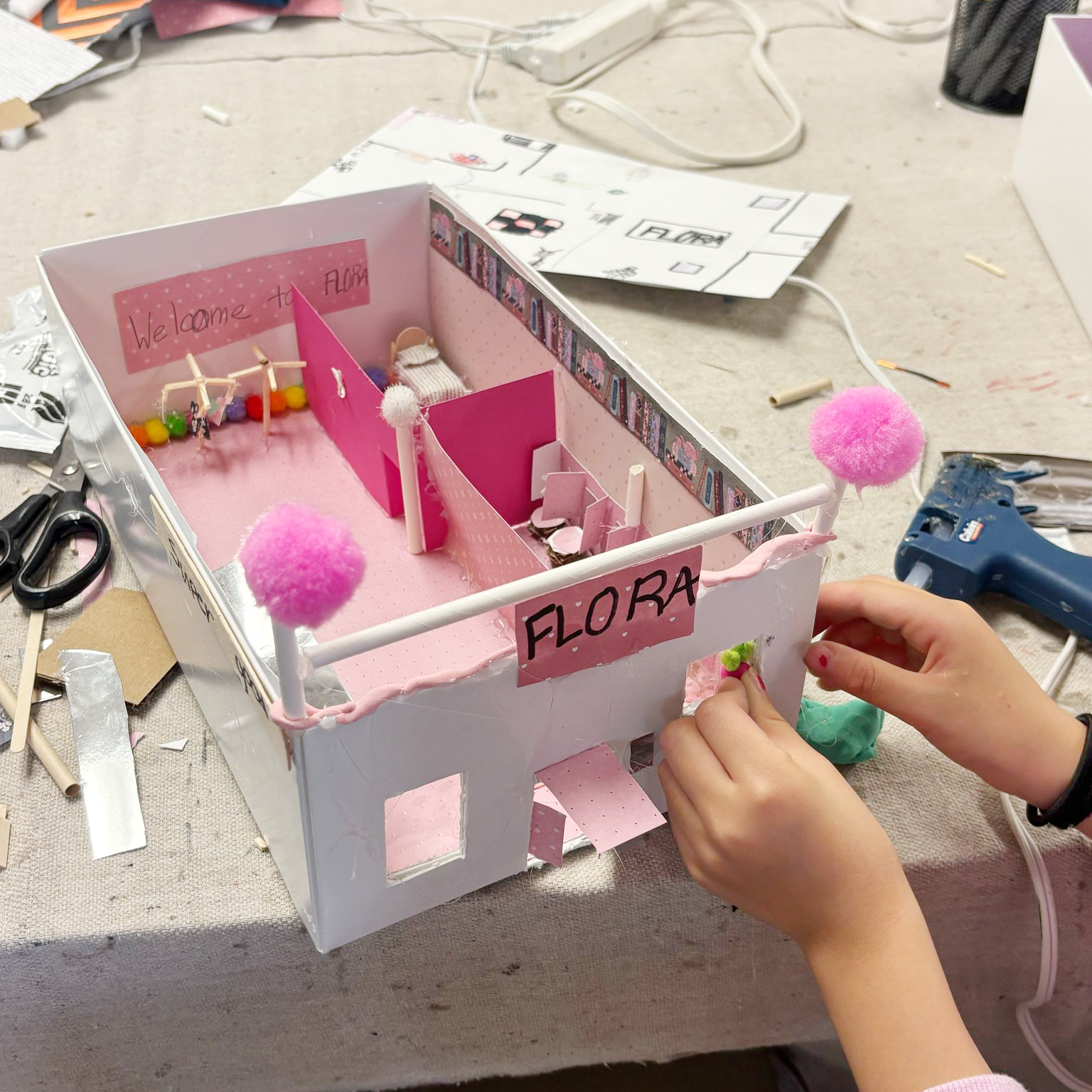
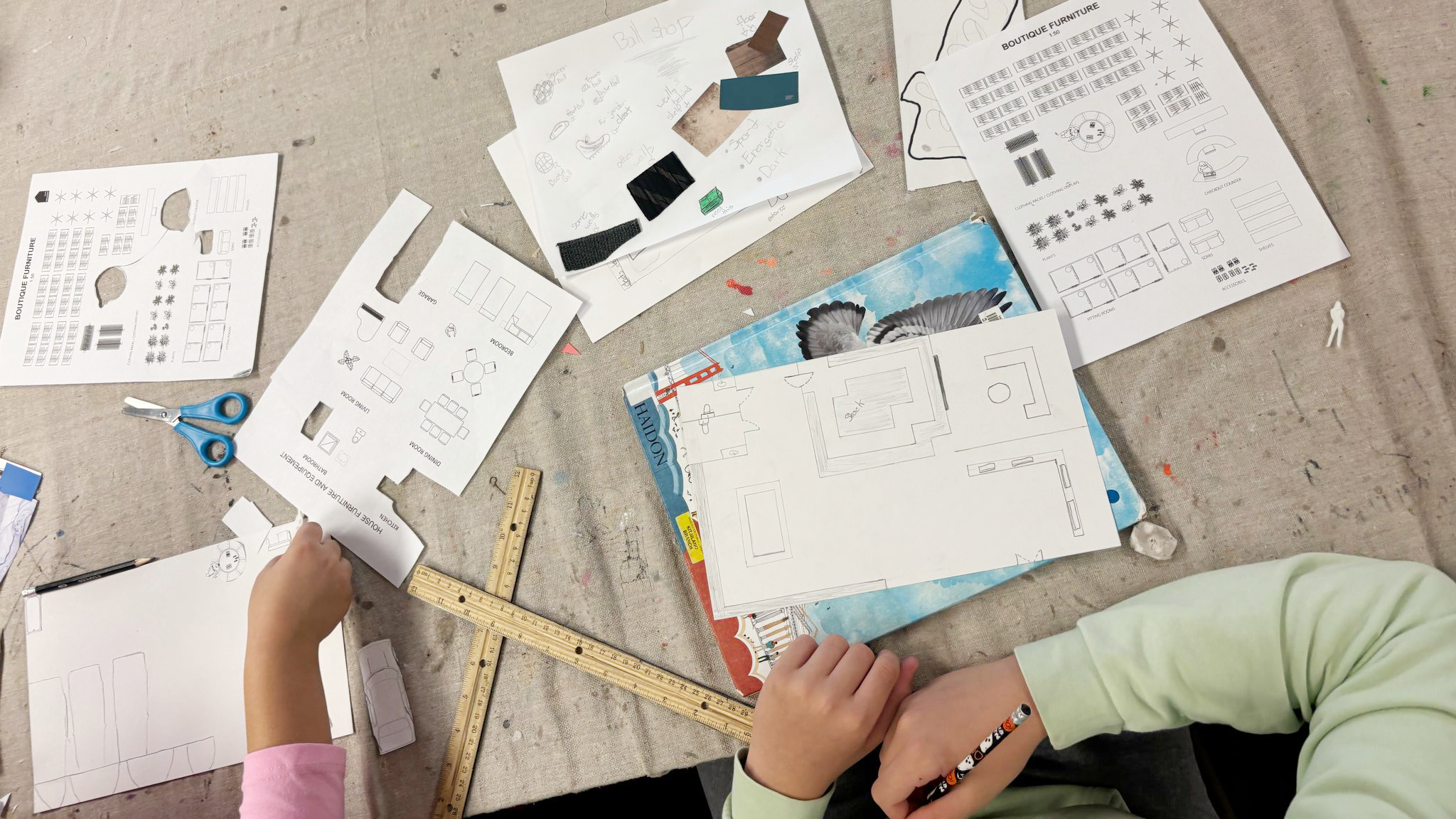
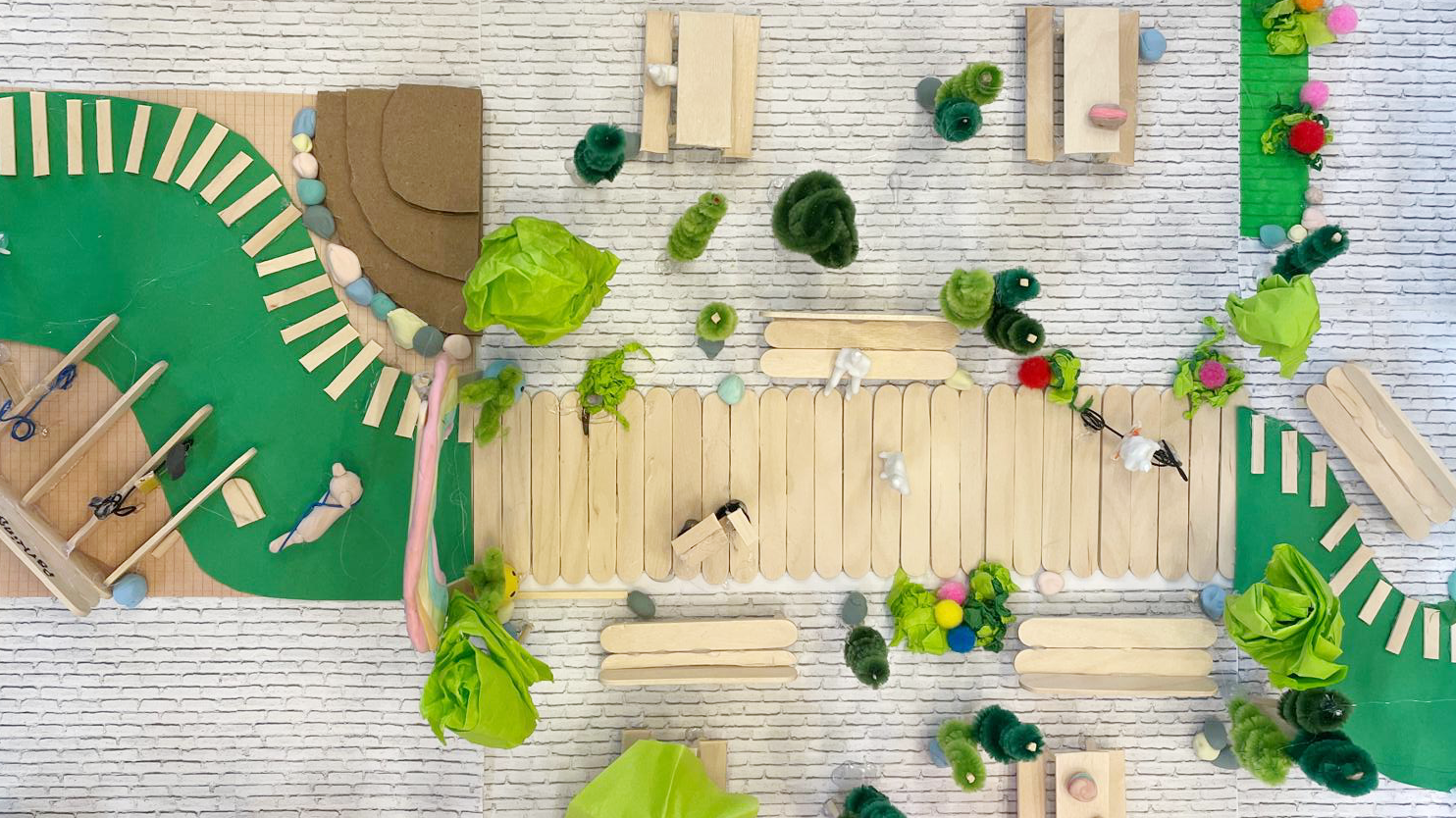
In our architecture programs, kids might design a building from a short brief, build a scale model, explore how real structures in their city were designed and why, or work as a team to plan an entire neighbourhood! They're thinking about things like light, materials, space, and how people move and live through a space.
It's hands-on and tactile (there's a lot of cutting, gluing, building, and model-making involved) but it's guided by critical thinking alongside creativity. Kids learn that design decisions have reasons behind them and that good design considers the people who will actually use a space.
The Overlaps
Both experiences will have your child making things with their hands. Both will encourage them to think visually and spatially. Both tend to attract kids who are curious and imaginative. If your child loves LEGO, building forts, or rearranging their bedroom furniture to get the layout just right, they'll likely enjoy elements of both.
The Differences
The biggest difference is really the additional skills around creativity. Art camp asks: what do you want to express? Architecture camp asks: what problem do you want to solve, and how?
Art camp gives kids more freedom to roam creatively without constraints. Architecture camp channels that creativity toward a goal, which some kids find incredibly motivating, and others find limiting. Neither is better than the other, they're just different ways of being creative.
Architecture programs also tend to have a stronger connection to math, science, and the built world around us. Kids often come out of the experience looking at buildings differently, noticing details they'd never paid attention to before. Many parents tell us their child became suddenly opinionated about the design of everyday places like playgrounds or parks (which is either very exciting or exhausting depending on the day).
Which One Is Right for Your Kid?
Here's a simple way to think about it:
Your child might love art camp if they thrive with open-ended creative freedom, love experimenting with colour and materials, and prefer making something expressive over something functional.
Your child might love architecture camp if they like building things that actually work, enjoy puzzles and problem-solving, are curious about how the world around them was made, or love LEGO, Minecraft, or any kind of construction play.
And if your kid genuinely fits both descriptions? They probably do. A lot of kids who come to architecture camp are also deeply artistic. The good news is that architecture as a discipline genuinely needs both! The best designers in the world are as much artists as they are engineers.
A Note on "STEM vs. STEAM"
You may have heard educators talk about STEAM (Science, Technology, Engineering, Arts, and Math) as a more complete version of STEM learning. Architecture is one of the clearest examples of STEAM in action. It uses math and physics, applies engineering principles, and demands real artistic sensibility. So if you're a parent trying to figure out how to support a kid who doesn't fit neatly into the "artsy" or "science-y" box, architecture might be exactly the bridge you've been looking for.
Both art camp and architecture camp are genuinely wonderful experiences for creative kids. They're not competing and if your budget and schedule allow, there's no reason a kid can't do both over the course of their childhood. But if you're trying to pick one and your child is the kind of kid who builds things, asks why buildings look the way they do, or has ever tried to redesign a room "to make it better", architecture camp is worth a serious look.