
Cities are full of extremes. We have giant apartment towers on one side and sprawling single-family houses suburbs on the other. But what about the “middle”? That’s what urban planners are calling the missing middle. Homes like duplexes, triplexes, townhouses, and small apartment buildings that sit right between the big and the small.
Why the Missing Middle Matters
Most cities today are struggling with housing shortages and skyrocketing costs. The missing middle could help solve these problems by:
Creating more affordable options: Smaller, denser homes cost less than a single-family house but offer more space than a studio apartment.
Supporting diverse neighborhoods: Families, young professionals, and older adults all need different types of housing to live comfortably in the same area.
Encouraging walkable, community-focused streets: Mid-sized homes fit naturally into neighborhoods, making streets safer and more social.
The Challenges
Despite the benefits, missing middle housing is rare in many cities. Why?
Zoning restrictions: Many cities have rules that favor single-family homes or large apartment buildings, making mid-sized housing difficult (sometimes impossible) to build.
Economic incentives: Developers often earn more building large apartments or luxury homes than mid-sized buildings.
Neighborhood resistance: Sometimes residents fear “density” or change, even if it improves affordability and community.
Some cities are starting to get it right. For example:
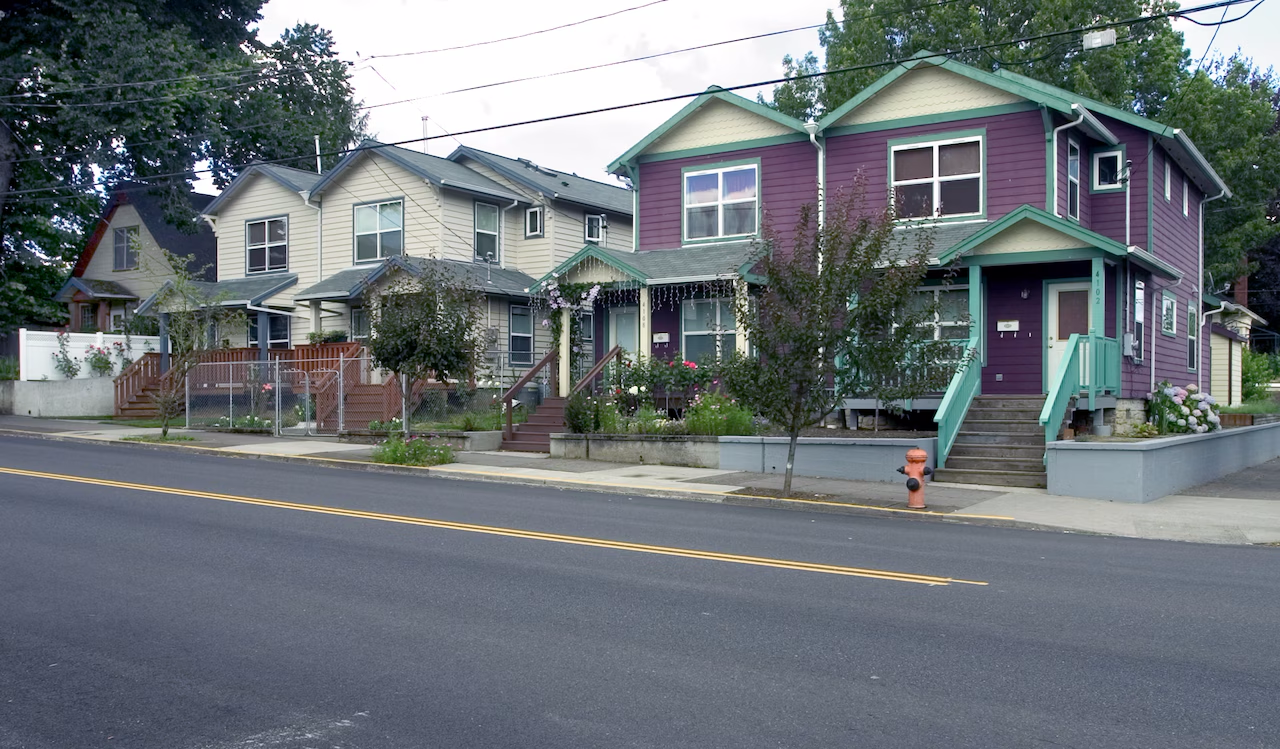
Portland, USA: Adjusted zoning laws to allow more duplexes and triplexes in traditional single-family neighborhoods.
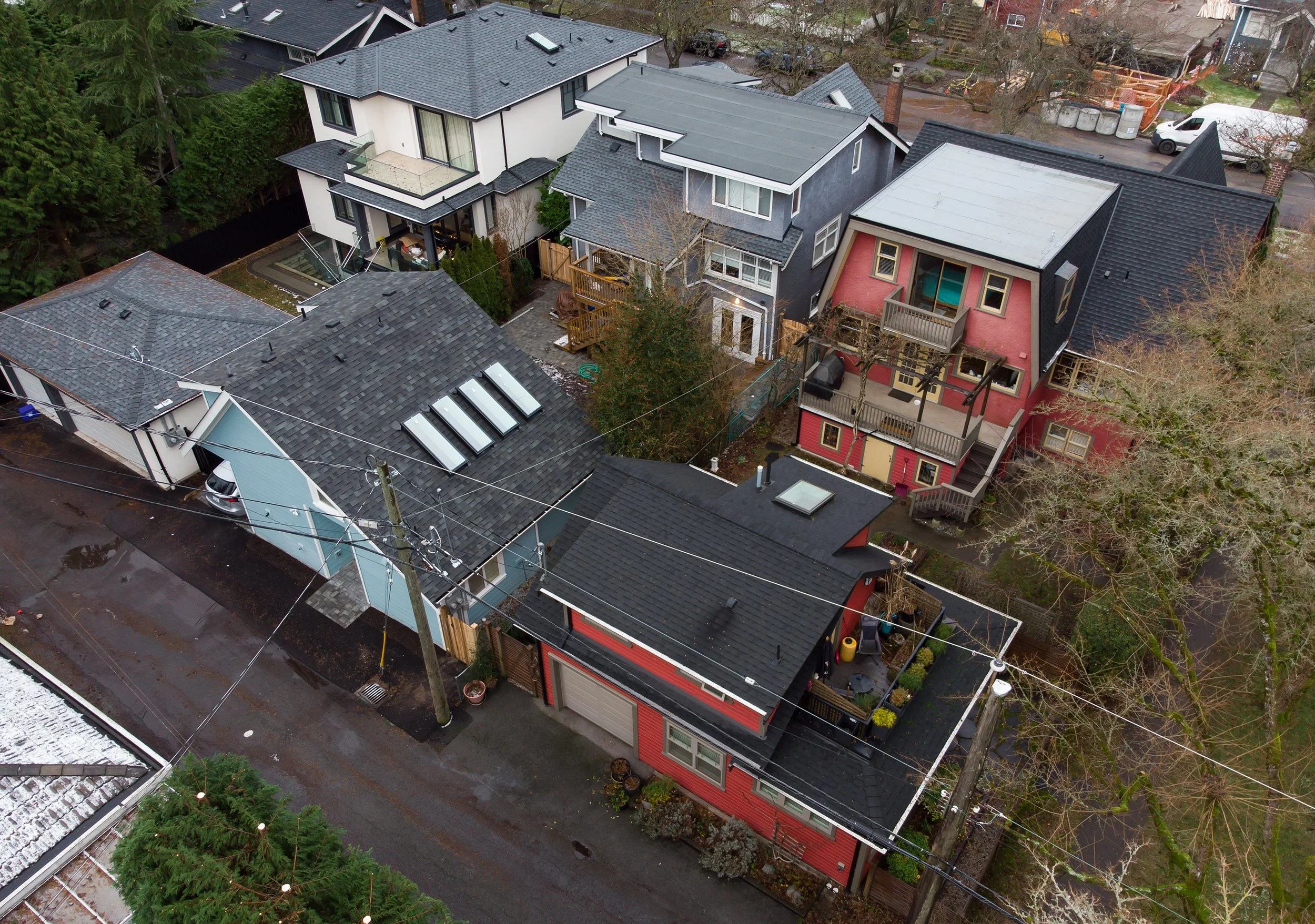
Vancouver, Canada: Supports laneway houses and small multi-family homes to fit into existing neighborhoods.
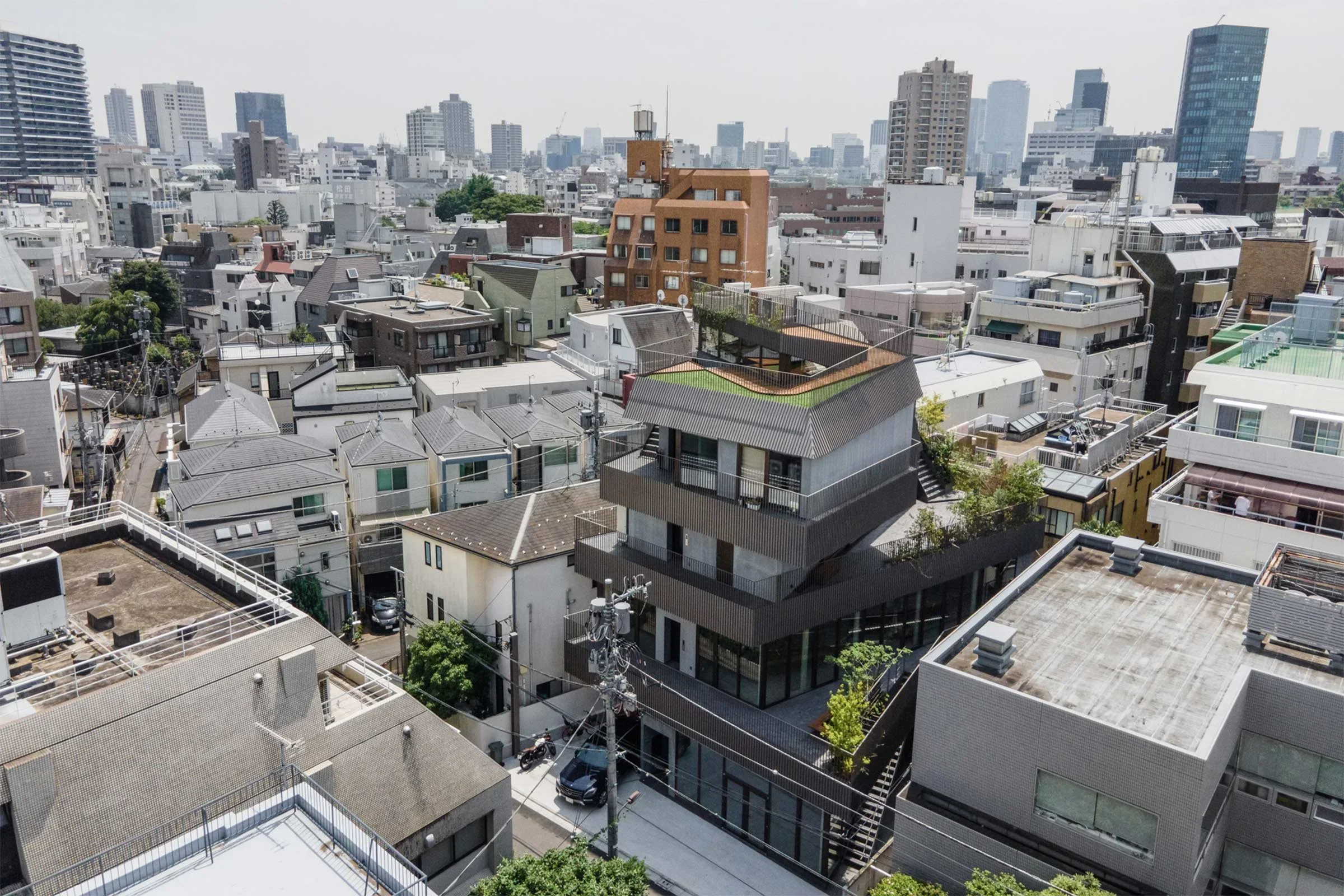
Tokyo, Japan: Uses mixed-density housing to keep neighborhoods flexible and livable.
Why it Matters for Everyone
The missing middle impacts everyone who lives in a city. By adding more mid-sized homes, cities can offer a wider range of housing choices, helping to keep rent and home prices more reasonable. Mixed neighborhoods also foster vibrant communities, bringing together people of different ages, incomes, and lifestyles, which strengthens local economies and social connections. Thoughtful urban design that includes the missing middle makes streets more walkable, public spaces more inviting, and neighborhoods more sustainable, improving quality of life for all residents!
How You Can Help
Even if you’re not a city planner or developer, you can still support the missing middle and make neighborhoods more livable. Start by learning about local zoning rules and housing policies by attending community meetings or following city planning boards online. Speak up in support of mid-sized housing during public consultations or neighborhood discussions. Back local initiatives, nonprofit housing projects, and advocacy groups that promote diverse and affordable housing. Finally, share what you learn. Raising awareness helps create more pressure on cities to build neighborhoods that work for everyone.
The missing middle is a solution to housing shortages, affordability challenges, and neighborhood vitality. Cities that embrace mid-density housing create neighborhoods where people of all ages, incomes, and lifestyles can thrive. The future of our cities depends on building the middle, not just the extremes!