
A Family Guide to the Best Sustainability Books (For All Ages)
Learning about the planet might start at childhood, but it shouldn’t stop there!
Whether you’re reading with your kids, guiding a curious teen, or looking to better understand sustainability yourself, the right book can turn awareness into action.
This reading list brings together some favourite environmental books for every age so your whole family can learn and take small steps toward a greener future together.
Ages 3-6: Building Early Awareness
At this stage, it’s all about building up awareness and helping kids fall in love with the Earth before they fully understand the problems.
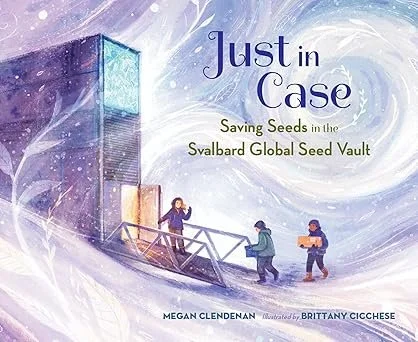
Just in Case by Megan Clendenan
Perfect for 5-8 year old future conservationists, this is a fascinating glimpse into a unique conservation collection, highlighting the importance of natural resources and protecting planet Earth.
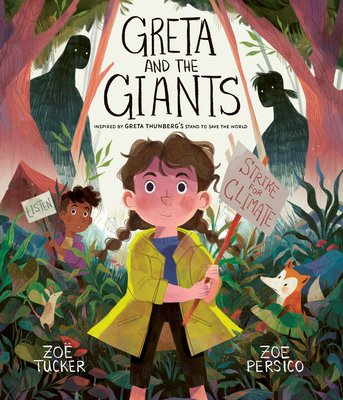
Greta and the Giants by Zoë Tucker
This inspiring picture book retells the story of Nobel Peace Prize nominee Greta Thunberg—the Swedish teenager who has led a global movement to raise awareness about the world’s climate crisis—using allegory to make this important topic accessible to young children.
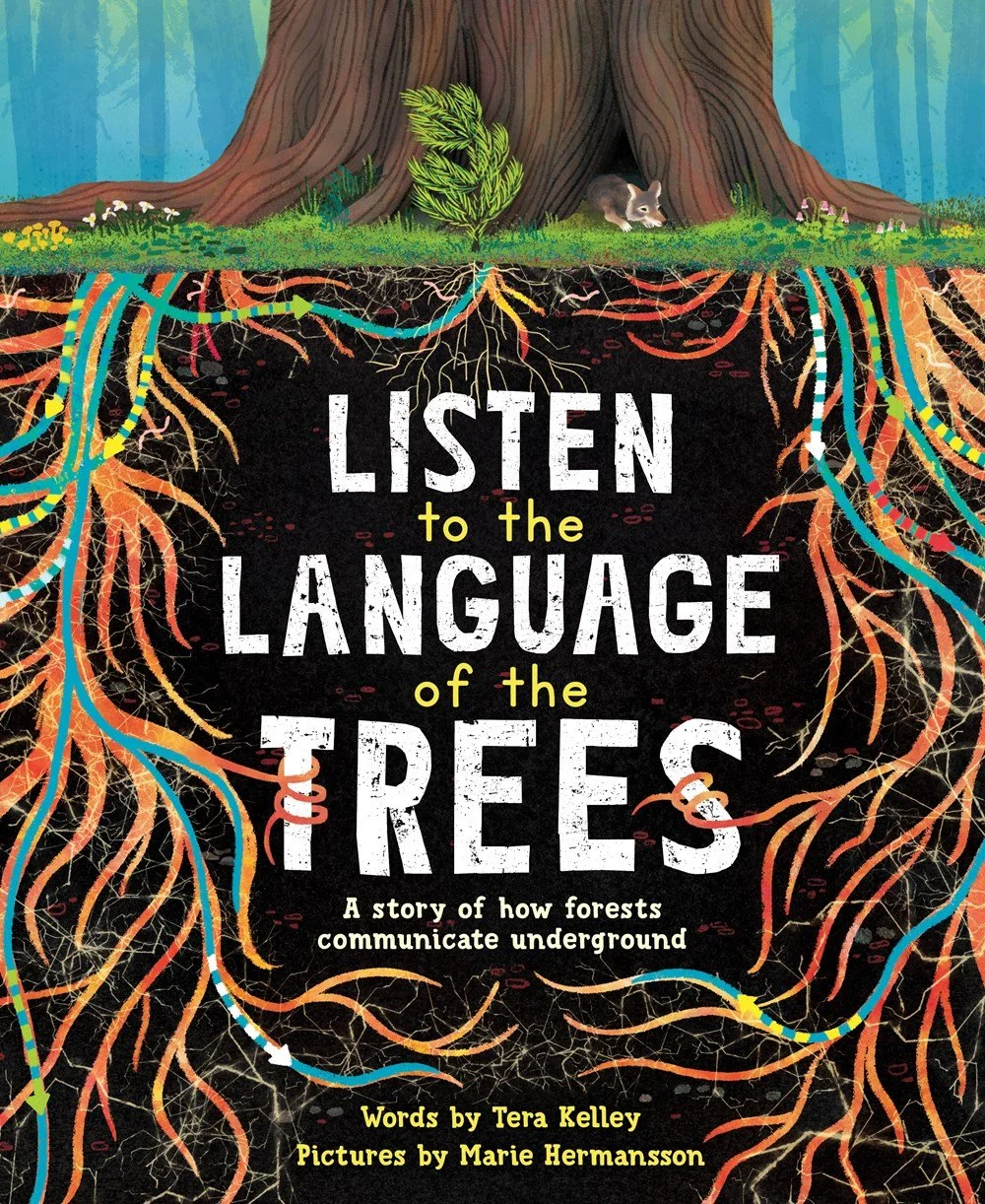
Listen to the Language of the Trees by Tera Kelley
This captivating book explores the real connection and communication that runs underground between trees in the forest. The well-researched details about trees' own social network will help readers see that the natural world's survival depends on staying connected and helping others―just like us!
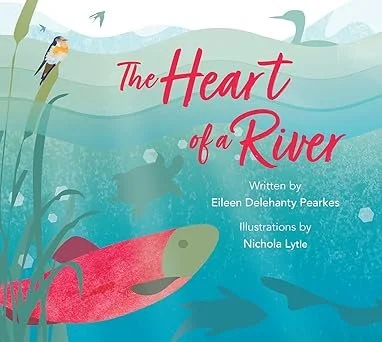
The Heart of a River by Eileen Delehanty Pearkes
This story of the Columbia River is unique. Told from the river’s perspective, it is an immersive, empathetic portrait of a once-wild river and of the Sinixt, a First People who lived on the mainstem of this great western river for thousands of years and continue to do so even though Canada declared them “extinct” in 1956.
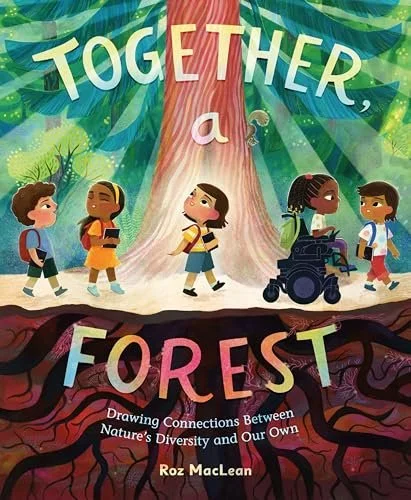
Together, a Forest by Roz MacLean
Explore a forest with a curious classroom in this breathtaking new picture book by the author of the beloved More Than Words, and experience the essential beauty of diversity in humanity and nature.
Ages 7-10: Curious Thinkers & Problem-Solvers
Kids in this age group start asking bigger questions and they’re ready for real-world ideas and solutions.
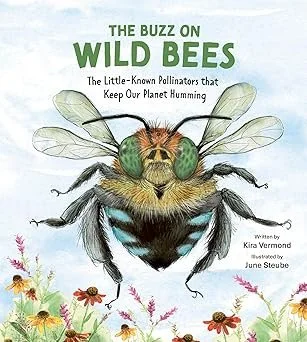
The Buzz on Wild Bees by Kira Vermond
Using clear, concise language and plenty of fun word play, this introduction to wild bees describes their life cycles, habitats, and behaviors … some of which are weirder than others! It also explains the importance of wild solitary bees to many ecosystems, the challenges these bees face, and the things we can do to be part of the solution.
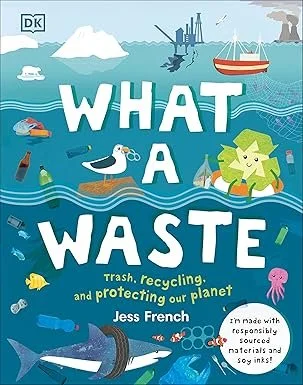
What A Waste: Rubbish, Recycling, and Protecting our Planet by Jess French
In this informative book on recycling for children, you will find everything you need to know about our environment. The good, the bad and the incredibly innovative. From pollution and litter to renewable energy and plastic recycling.
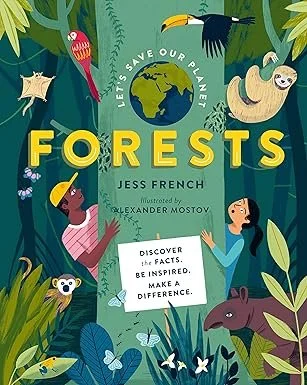
Let's Save Our Planet: Forests by Jess French
Turn the pages and discover everything you need to know about deforestation and the ways we can tackle it. From scientists and conservationists helping to protect forest creatures to tech inventions like robot tree-planters, this book helps children aged 8 and up to discover the incredible solutions to deforestation that are being worked on around the world right now.
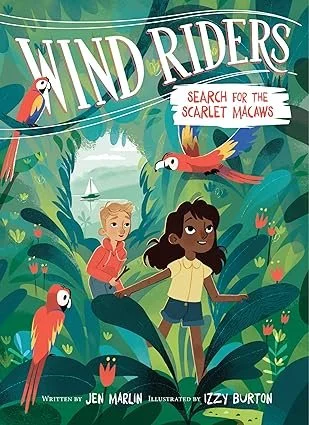
Wind Riders by Jen Marlin
Hop aboard Wind Rider, a magical sailboat, with Max and Sofia, two kids trying to save the environment one problem at a time. Their second mission? Protecting majestic scarlet macaw chicks in the most biodiverse place on Earth, the Amazon rain forest.
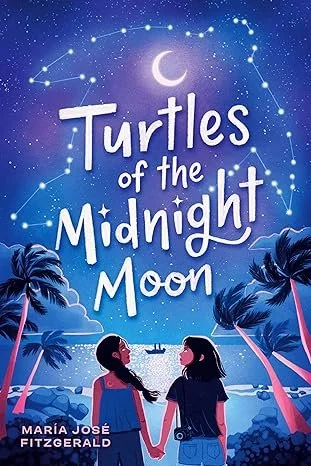
Turtles of the Midnight Moon by María José Fitzgerald
When poachers threaten the island they love, two girls team up to save the turtles—and each other. An eco-mystery with an unforgettable friendship story at its heart from a fresh new voice in middle grade.
Ages 11-13: Mixing Big Ideas & Real Impact
Now we’re getting into deeper thinking! This is where kids start connecting the dots and wanting to do something.
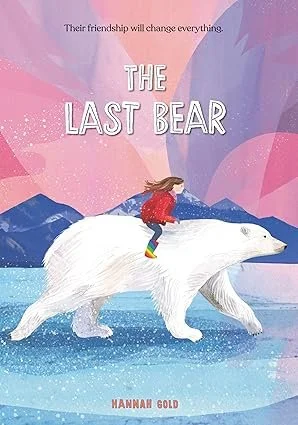
The Last Bear by Hannah Gold
An instant classic with a bear-sized heart, Hannah Gold’s debut novel is a touching story of kindness, adventure, and forging your own path. An excellent choice for readers in grades 3 to 7, this fierce celebration of friendship includes full-page black-and-white illustrations throughout, as well as information about the real Bear Island and the plight of the polar bears.
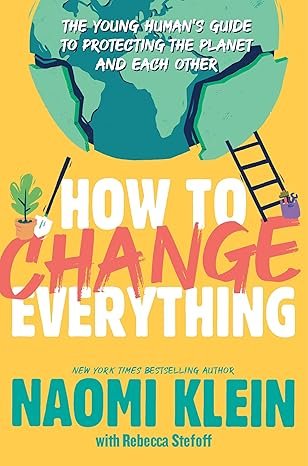
How to Change Everything by Naomi Klein
How to Change Everything will provide readers with clear information about how our planet is changing, but also, more importantly, with inspiration, ideas, and tools for action. Because young people can help build a better future. Young people can help decide what happens next. Young people can help change everything.
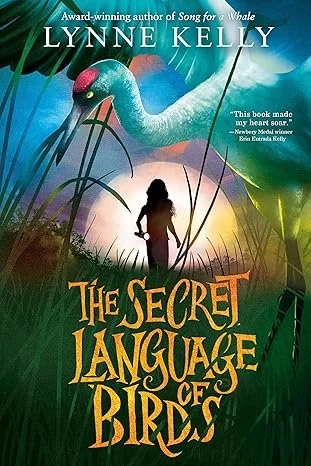
The Secret Language of Birds by Lynne Kelly
A poignant and heartwarming coming-of-age novel that captures the moment of learning to spread your wings in a way you'll never forget. Perfect for readers who enjoy stories about curious kids and nature’s wonders.
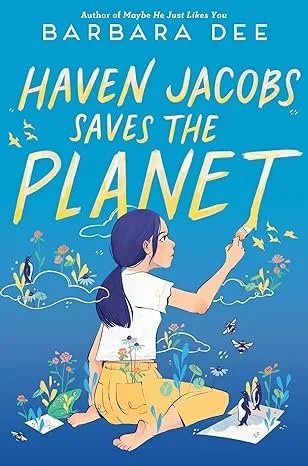
Haven Jacobs Saves the Planet by Barbara Dee
From author Barbara Dee comes a thought-provoking and wonderful middle grade novel about a young girl who channels her anxiety about the climate crisis into rallying her community to save a local river.
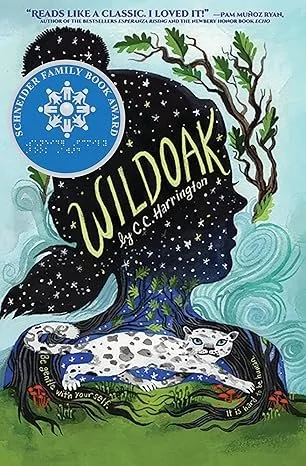
Wildoak by C. C. Harrington
When the fates of a snow leopard, a child, and an ancient forest collide, the unimaginable can happen. Told in alternating voices, Wildoak shimmers with beauty, compassion, and unforgettable storytelling as it explores the delicate interconnectedness of the human, animal, and natural worlds.
Teens 14-18: Finding Their Voice
Learning and understanding doesn’t stop at childhood! Here are some adult books that are still beginner friendly.
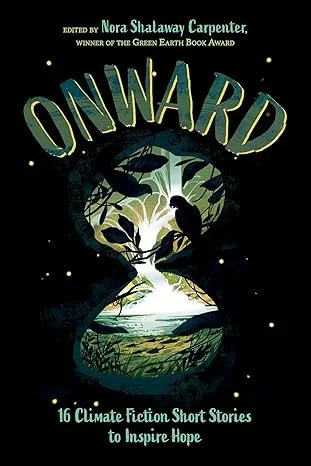
Onward by
A collection of 16 remarkable short stories for aspiring teen activists centered on the climate crisis, highlighting how small actions can make Earth sustainable against climate change. Young adult powerhouse authors such as Erin Entrada Kelly and Jeff Zentner come together in this anthology of speculative, dystopian, and contemporary realistic fiction.
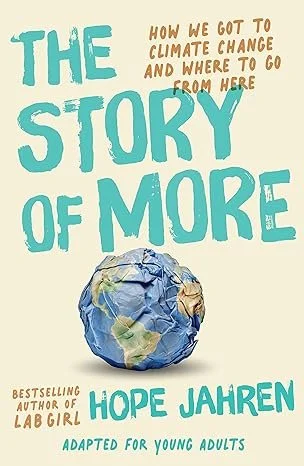
The Story of More (Adapted for Young Adults) by Hope Jahren
This young adult adaptation of acclaimed geochemist and geobiologist Hope Jahren's highly respected nonfiction work is the perfect book for those interested in learning about climate change and how they can contribute to creating a more sustainable future.
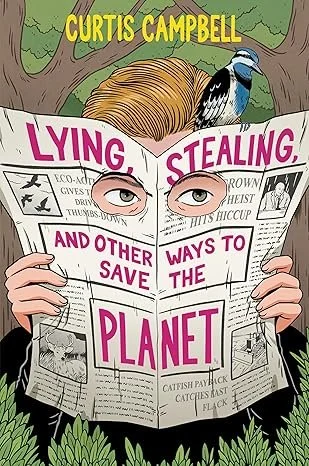
Lying, Stealing, and Other Ways To Save the Planet by Curtis Campbell
A hilarious YA novel about coming of age in the shadow of climate change, overcoming cynicism, and the power of collaboration. John races against the clock in a desperate bid at environmental espionage involving forgeries, a car chase, and a high-stakes heist. But it’s a race John won’t win without former best friend/co-reporter Rachel Miller, who just so happens to want him dead. Can this motley crew flock together long enough for their mission to take flight?
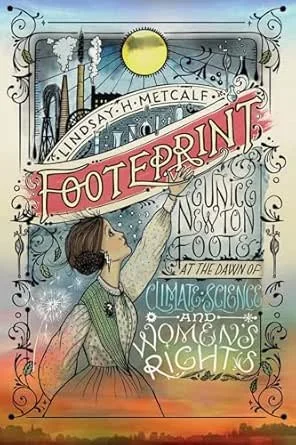
Footeprint: Eunice Newton Foote at the Dawn of Climate Science and Women’s Rights by Lindsay H. Metcalf
A fascinating historical novel-in-verse for young adults capturing the discoveries of Eunice Foote, a remarkable woman in science WAY ahead of her time. A fictionalized account of the first woman to identify carbon dioxide as a cause of climate change in 1856 when most people preferred that women be seen rather than heard.
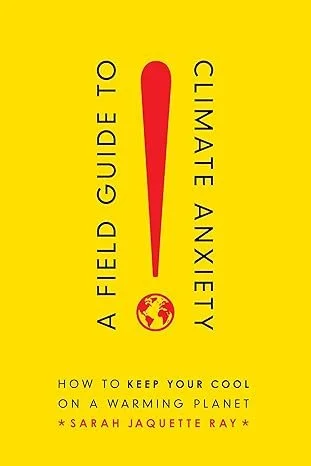
A Field Guide to Climate Anxiety by Sarah Jaquette Ray
A youth movement is reenergizing global environmental activism. The “climate generation”—late millennials and iGen, or Generation Z—is demanding that policy makers and government leaders take immediate action to address the dire outcomes predicted by climate science. Those inheriting our planet’s environmental problems expect to encounter challenges, but they may not have the skills to grapple with the feelings of powerlessness and despair that may arise when they confront this seemingly intractable situation.
Adults: Reflecting & Making Changes
Learning and understanding doesn’t stop at childhood! Here are some adult books that are still beginner friendly.
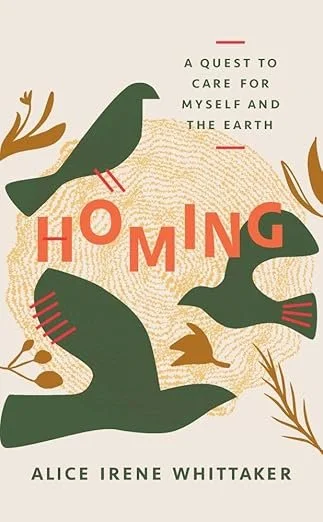
Homing by Alice Irene Whittaker
A memoir about abandoning an exhausting commuter lifestyle to move to a cabin in the woods, embracing imperfection while cultivating a life of care for self and nature.
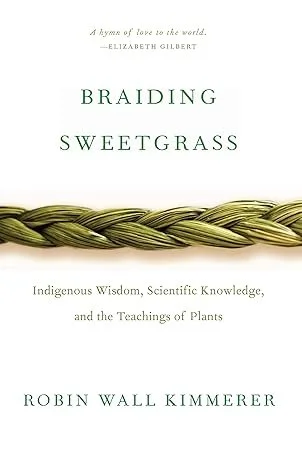
Braiding Sweetgrass by Robin Wall Kimmerer
As a botanist, Robin Wall Kimmerer has been trained to ask questions of nature with the tools of science. As a member of the Citizen Potawatomi Nation, she embraces the notion that plants and animals are our oldest teachers. In Braiding Sweetgrass, Kimmerer brings these two lenses of knowledge together to take us on a journey.
This Changes Everything: Capitalism vs. the Climate by Naomi Klein
Climate change, Klein argues, is a civilizational wake-up call, a powerful message delivered in the language of fires, floods, storms and droughts. Confronting it is no longer about changing the light bulbs. It’s about changing the world—before the world changes so drastically that no one is safe. Either we leap—or we sink.
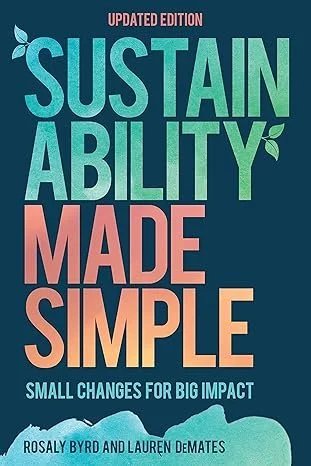
Sustainability Made Simple: Small Changes for Big Impact by Rosaly Byrd
Sustainability Made Simple is an introduction to sustainability and sustainable living that explores the relationship between everyday life and the intricate global environmental issues of today, including air and water pollution, deforestation, and climate change.
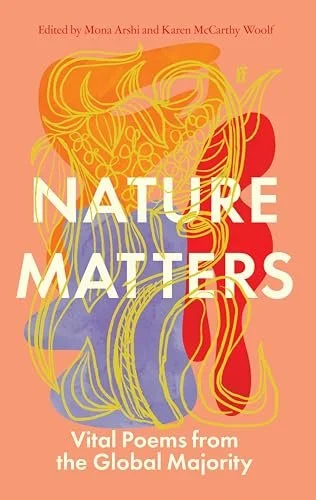
Nature Matters: Vital Poems from the Global Majority by Mona Arshi
Revitalising conversations around environmentalism and ecopoetics, this new gathering of African, Asian and Caribbean diaspora voices is both urgent and inspirational.The rise of nature writing as a cultural phenomenon is nothing new. Yet it has stirred questions relating to whose voices are privileged and heard in a space predominantly occupied by Western European traditions and writers.
Books are a great starting point but what really sticks is what happens after!
Here are a few simple ways to bring these ideas to life:
Talk about it: Ask open-ended questions like “What would you change?” or “What could we try?”
Start small: Choose one habit to adjust (less waste, more reusing)
Design solutions together: Let kids sketch, build, or reimagine something in your home or community
Make it ongoing: Keep the conversation going beyond one book or one day
This is where learning becomes something bigger! Caring for our planet isn’t a one day activity, it’s a lifetime of compassion.