
Every architect you've ever admired was once a kid who liked to build things. That's not from a motivational poster, it's actually true! Some of the most influential designers and architects in history showed their instincts early, long before anyone called them a professional anything.
Here are a few of our favourites that we love to talk about:
Frank Lloyd Wright
Known for: Fallingwater, the Guggenheim Museum
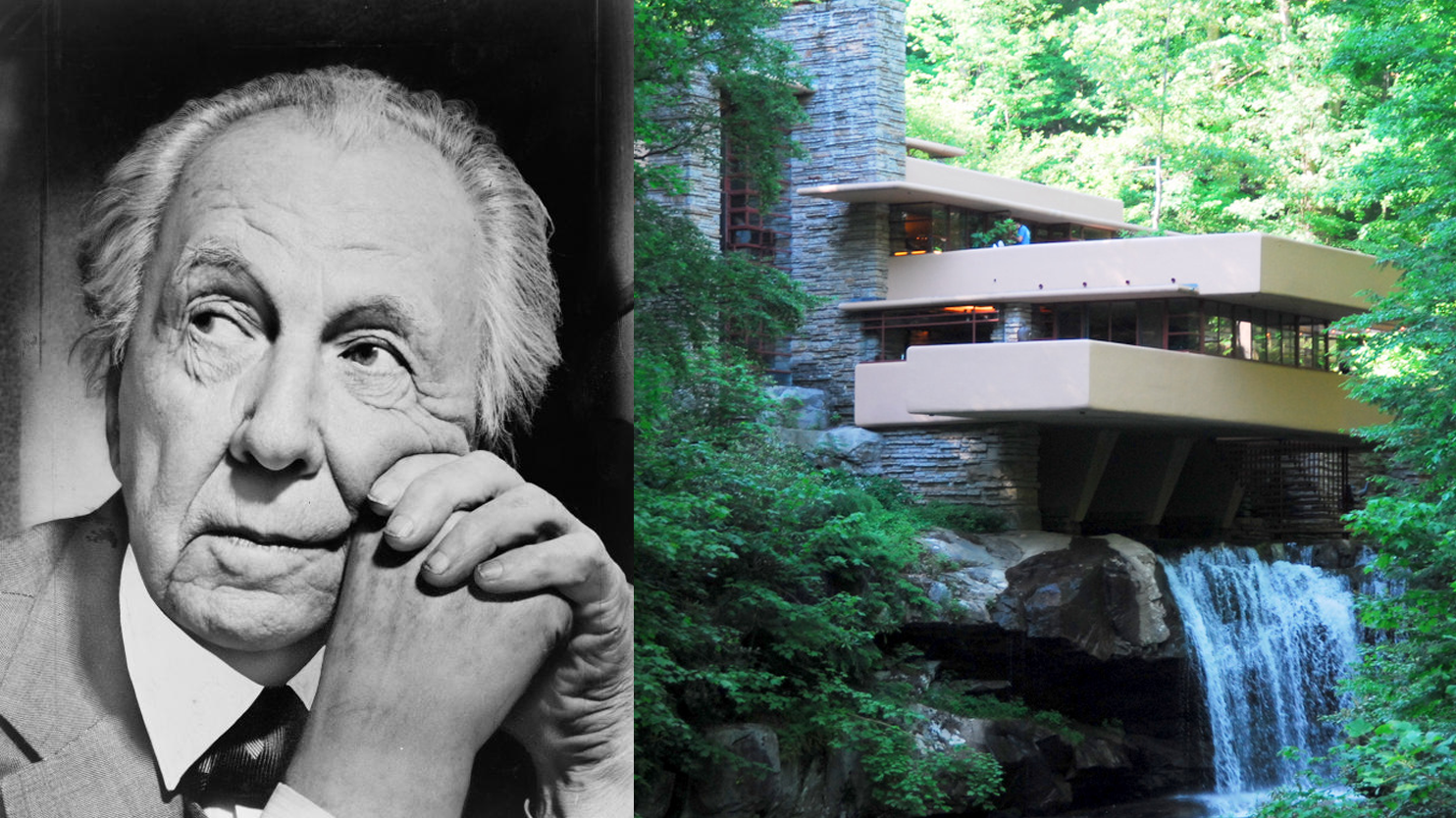
Frank Lloyd Wright & Fallingwater
Frank Lloyd Wright's mother was so convinced her son would become an architect that she hung engravings of famous cathedrals above his crib before he could walk. Whether or not that counts as an early influence, it seemed to work. As a young child, Wright was given a set of Froebel blocks (a specific kind of geometric wooden building blocks) and he later credited them as one of the most important tools of his entire education. He wrote about those blocks well into adulthood, describing how they taught him to see the relationships between shapes, forms, and space.
The takeaway for kids: the things you build with your hands as a child aren't just play, they're practice too!
Zaha Hadid
Known for: the MAXXI Museum in Rome, the Heydar Aliyev Centre in Baku
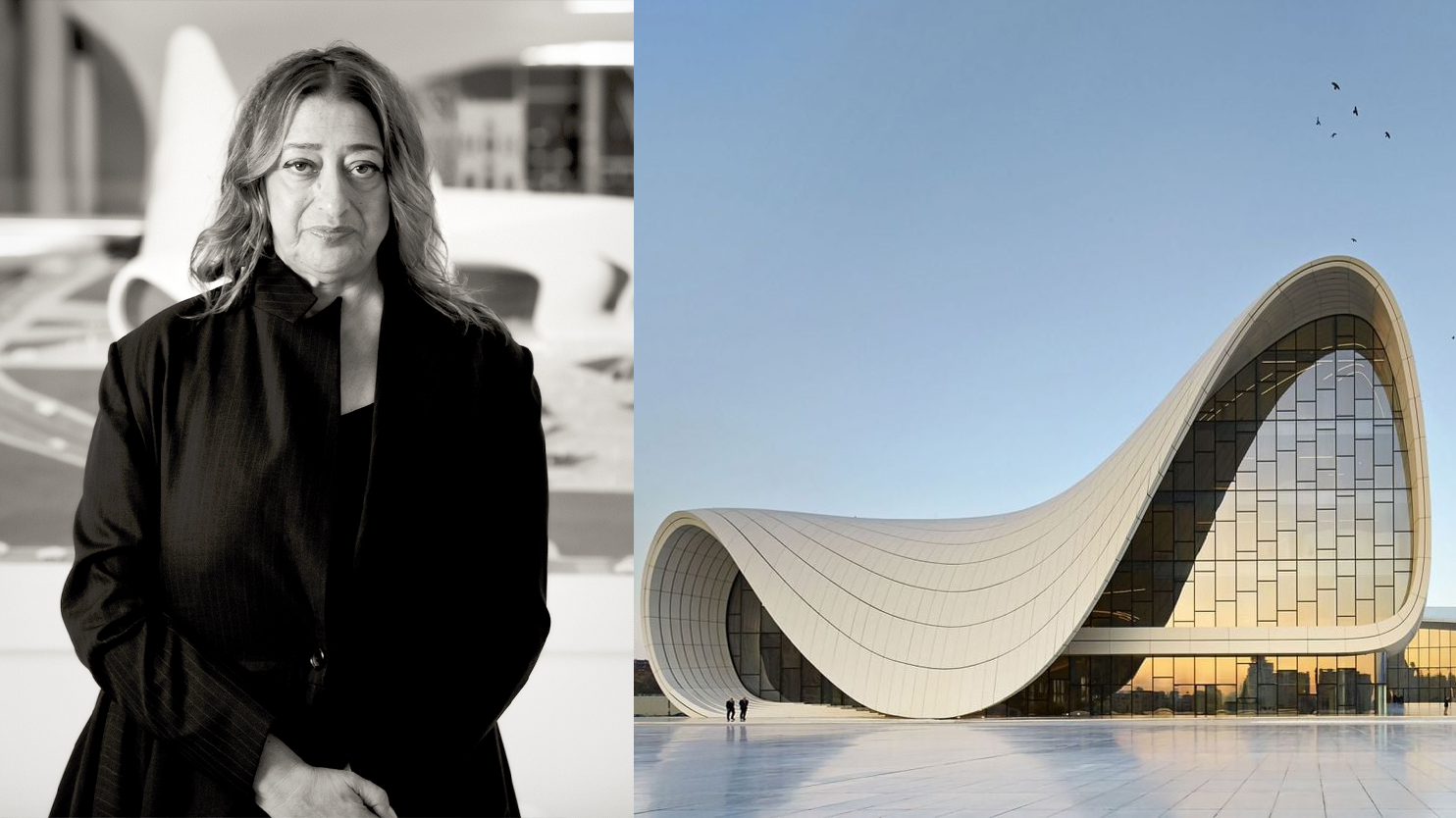
Zaha Hadid & Heydar Aliyev Centre
Zaha Hadid grew up in Iraq in the 1960s and from an early age she was fascinated by the landscape around her. Hadid said that early childhood trips to the ancient Sumerian cities in southern Iraq sparked her interest in architecture. The way the marshlands formed sweeping, organic shapes that didn't follow straight lines (can you tell by her design style?). Her parents encouraged this curiosity and she later said that growing up between cultures gave her a visual vocabulary that was wider than most. She studied mathematics before architecture, which also shows up in her work, her buildings curve in ways that feel weirdly impossible. Hadid became the first woman to win the Pritzker Prize, architecture's highest honour, in 2004. She didn't wait for the world to make space for her, she built her own.
The takeaway for kids: paying attention to the shapes in the world around you (in nature, in your city, in everything!) is a skill worth practising.
Tadao Ando
Known for: the Church of the Light in Osaka, the Pulitzer Arts Foundation in St. Louis
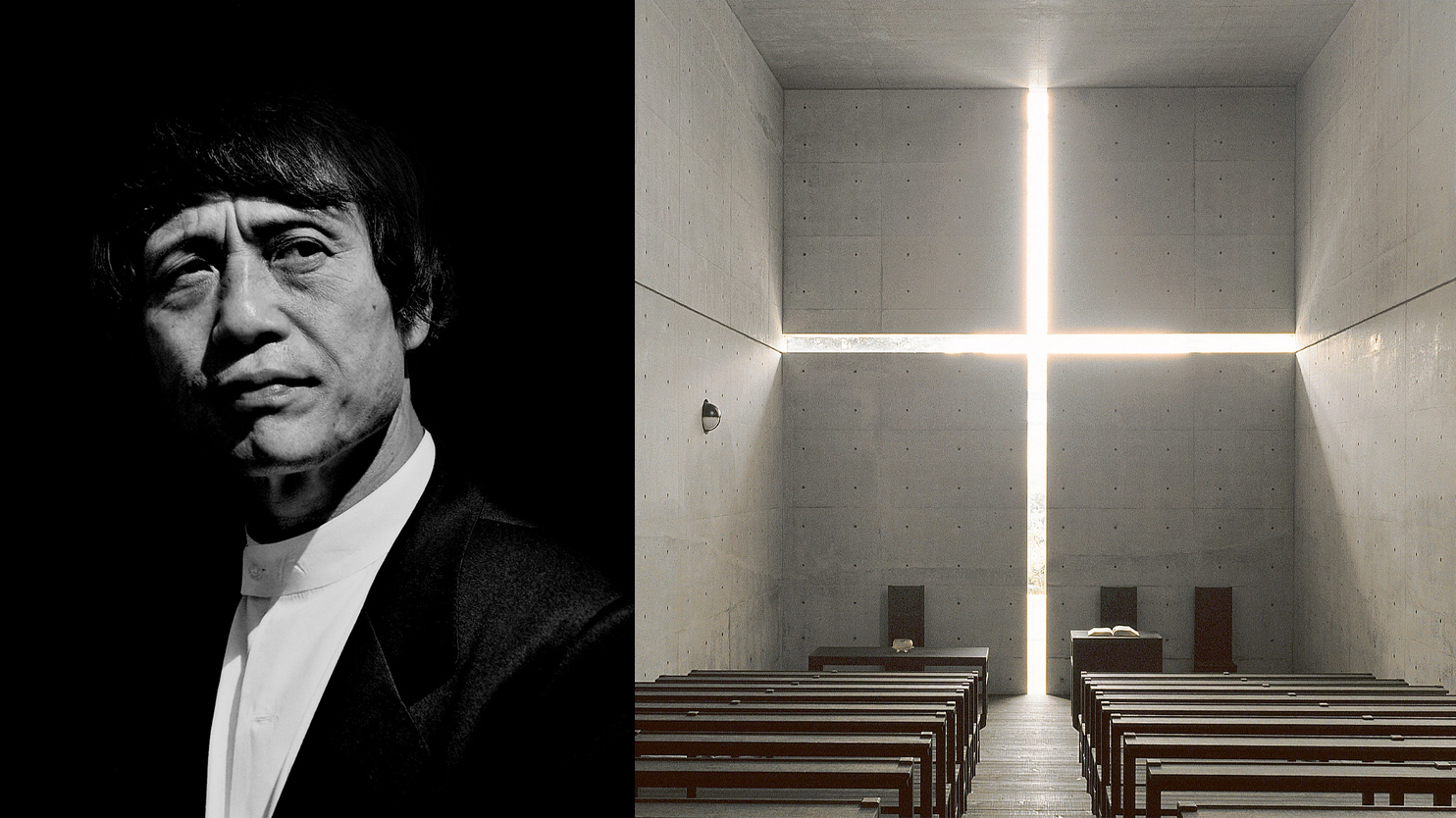
Tadao Ando & the Church of the Light
Tadao Ando never went to architecture school. He taught himself, mostly by visiting construction sites, reading whatever he could find, and building things with his hands. As a child he was always curious about construction and he spent time watching carpenters work in his neighbourhood, trying to understand how things were put together. He later said that learning through making was what shaped his entire philosophy. Today he's one of the most celebrated architects in the world and his work is known for its use of natural light and quiet spaces.
The takeaway for kids: you don't need to wait for permission to start learning! Curiosity and building things yourself is an education.
Balkrishna Doshi
Known for: Aranya Low Cost Housing in India, the Indian Institute of Management in Bangalore
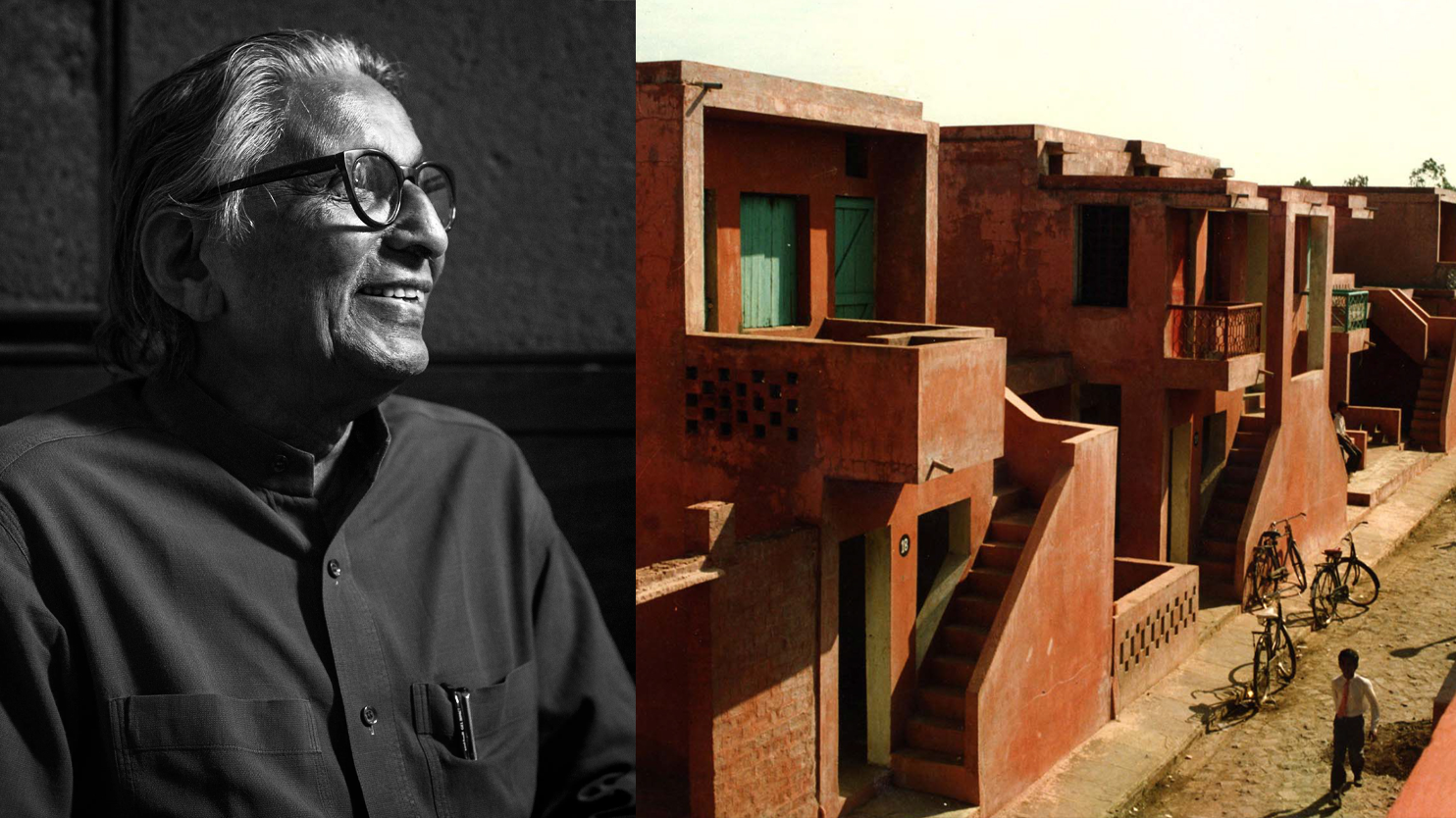
Balkrishna Doshi & Aranya Low Cost Housing
Balkrishna Doshi grew up in India in a large joint family household and he later said that living in that dense, layered environment where space was shared gave him a deep understanding of how people actually live in buildings. He was raised in a religious family who was engaged in the traditional carpentry business. It was actually an art teacher who encouraged him to consider architecture as a career. Much of his life's work focused on designing affordable housing for people who are often ignored by the architecture world and that instinct came directly from paying attention, as a kid, to the spaces he grew up in.
The takeaway for kids: the neighbourhood you live in right now is teaching you something about design. What do you notice?
Renzo Piano
Known for: the Centre Pompidou in Paris, the Shard in London
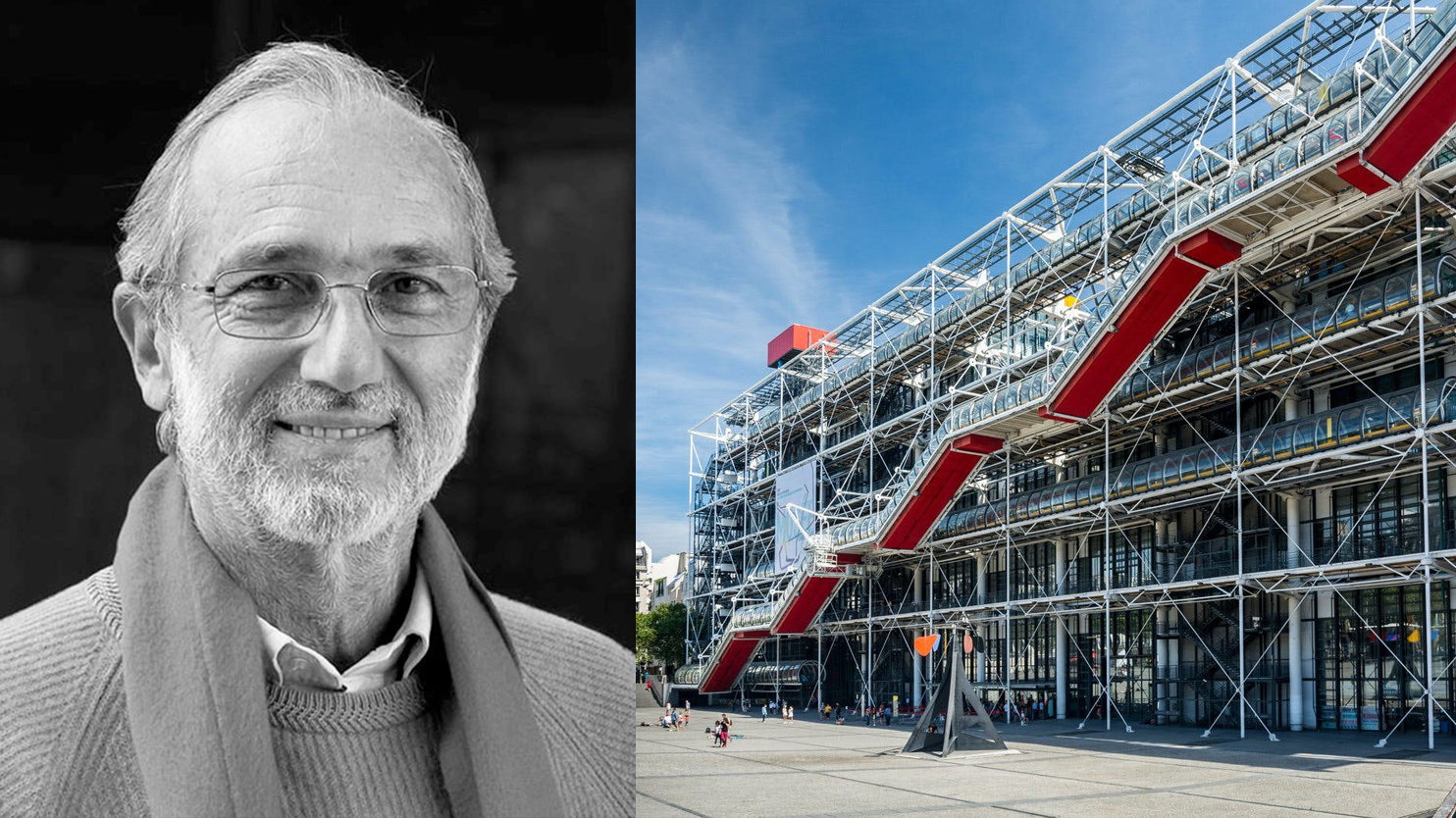
Renzo Piano & Centre Pompidou
Renzo Piano grew up in Italy in a family of builders. His father, grandfather, and uncles were all in construction, and as a child he spent hours on building sites watching things go up from the ground. He's said in interviews that those sites were his first classroom, that watching workers pour concrete, lay brick, and solve problems in real time taught him more about how buildings come together than almost anything he studied formally later on. Piano was endlessly hands-on, experimenting with materials and trying to understand how things were made and why they held together. That obsession with craft and construction never left him!
The takeaway for kids: paying attention to how things are built, not just what they look like, is one of the most valuable things a young designer can do.
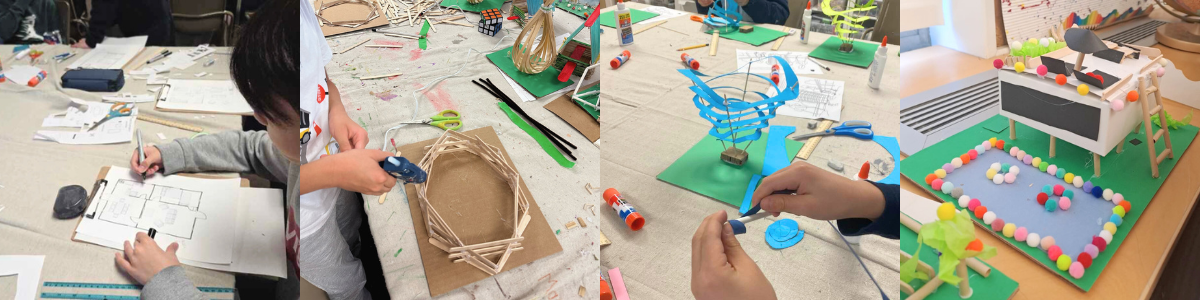
None of these architects waited until they were adults to start thinking like designers! They were curious kids who paid attention to the world around them. Some had formal encouragement later on while others had almost none. But one thing they all had in common was that they started early and they all learned by making.
That's exactly what we try to do in our architecture programs for kids. We give kids the tools, the materials, and the challenges to start thinking like architects now, instead of someday. Because the earlier a child learns to look at the world and ask ‘how could it be better’, the more naturally that thinking becomes part of how they move through life.
You don't have to want to be an architect to benefit from thinking like one!
Next time you're walking through your neighbourhood, ask your child: if you could redesign one building you passed today, what would you change and why? You might be surprised by the answer (we usually are)!