
What Do Kids Actually Do in an Architecture Camp?
When parents first hear the words architecture camp, they often picture kids sitting quietly drawing blueprints all day. In reality, architecture camps are hands-on, creative, messy, collaborative, and full of imagination!
At Petit Architect, architecture camp is all about helping kids explore design through building, problem-solving, art, engineering, and creativity. Every day gives campers the chance to think like real designers while still having fun, making friends, and creating projects they’re proud of.
So what do kids actually do in an architecture camp? Here’s a closer look.
They Design Their Own Creations
One of the biggest parts of architecture camp is learning how to turn ideas into real designs.
Campers might:
Sketch their dream home
Design a boutique or restaurant concept
Create a futuristic city
Plan a floating house or Mars station
Imagine eco-friendly buildings for the future
Kids learn that architecture is about more than buildings, it’s about solving problems and designing spaces for real people.
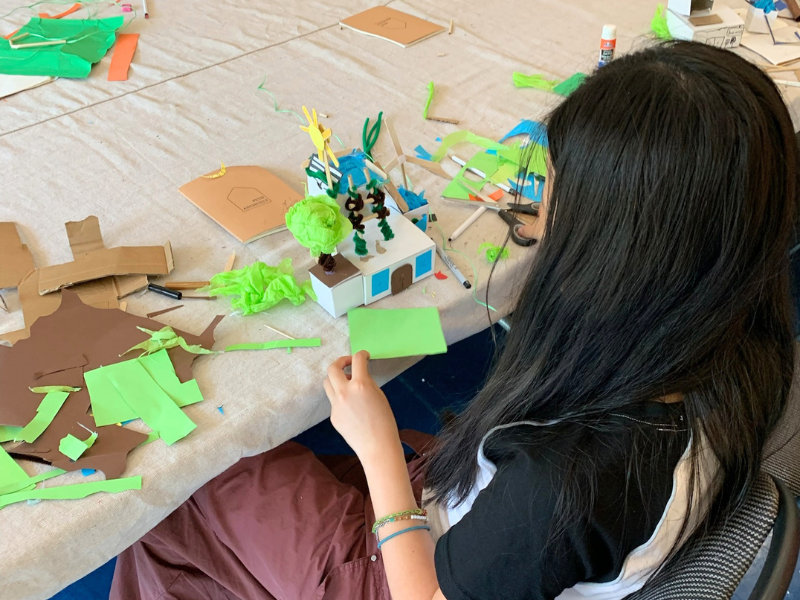
They Build Models by Hand
Architecture camp is extremely hands-on! Campers spend a lot of time building models using eco-friendly materials like cardboard, wood pieces, recycled materials, clay, paper, and more.
They experiment with:
Structure and stability
Scale and proportion
Shape and form
Interior layouts
Exterior design details
For many kids, this is their favourite part because they get to physically bring their ideas they wrote down on paper to life. No matter what they’re creating, kids learn through trial and error and often discover that mistakes are part of the design process.
They Learn Through STEAM Activities
Architecture naturally combines multiple subjects into one creative experience.
Campers explore:
Science through engineering and structures
Technology through design thinking
Engineering through building challenges
Art through drawing and creativity
Math through measurements, shapes, and spatial reasoning
These skills are taught through hands-on architecture projects that keep kids actively engaged so that it doesn’t feel like traditional learning.
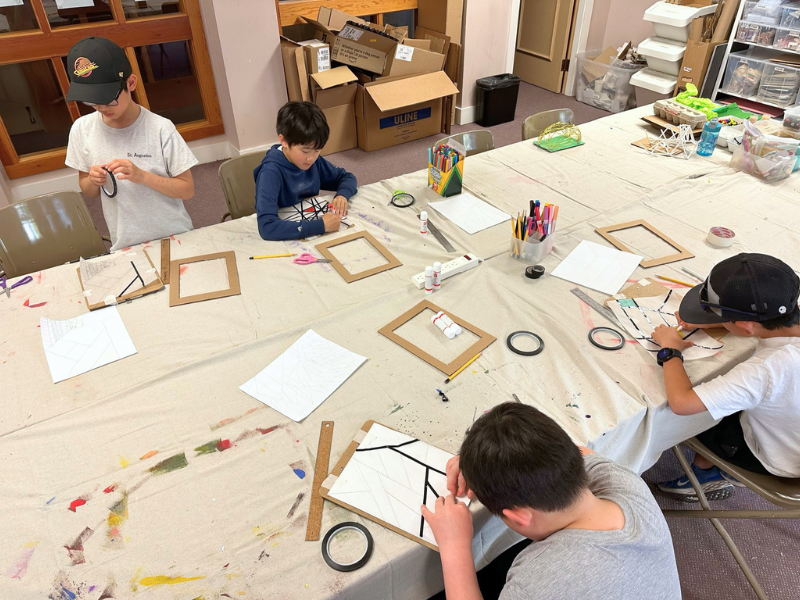
They Work Together
Architecture is collaborative and camp often includes teamwork activities where campers share ideas, solve challenges together, and help each other improve designs.
They might:
Build a group city
Design a community space
Work on collaborative challenges
Present their ideas to the class
These activities help kids build confidence and communication skills, both essential skills to their development!
They Explore Real-World Architecture
Architecture camp also helps kids notice the built world around them.
Campers may learn about:
Famous buildings and landmarks
Sustainable and green design
Different architectural styles
Urban planning and communities
How buildings impact everyday life
By connecting projects to the real world, kids begin seeing their neighbourhoods, schools, and cities in a completely new way. This is exactly how we want our future architects to be thinking!
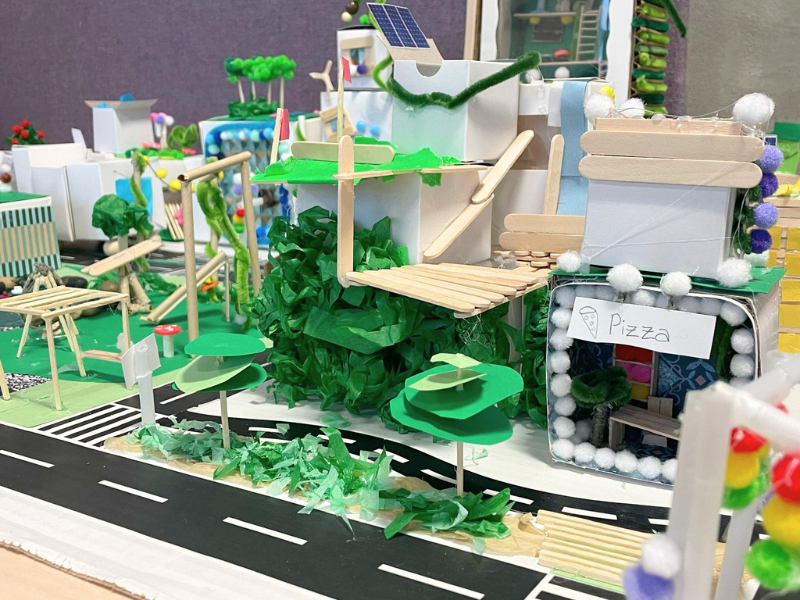
They Build Confidence
One of the most valuable things kids gain from architecture camp is confidence in their ideas. There’s no single “right” answer in design. Camp encourages kids to experiment, think independently, and trust their creativity.
Some children arrive shy or unsure of themselves, but after spending a week designing, building, presenting, and creating, parents are often surprised by how much confidence they’ve developed.
It’s Perfect for All Kinds of Kids
Architecture camp isn’t only for kids who already love building.
It’s also great for kids who:
Love art and crafts
Enjoy LEGO and building activities
Are curious and imaginative
Like problem-solving
Enjoy hands-on learning
Thrive in creative environments
Many campers discover new interests they never knew they had!
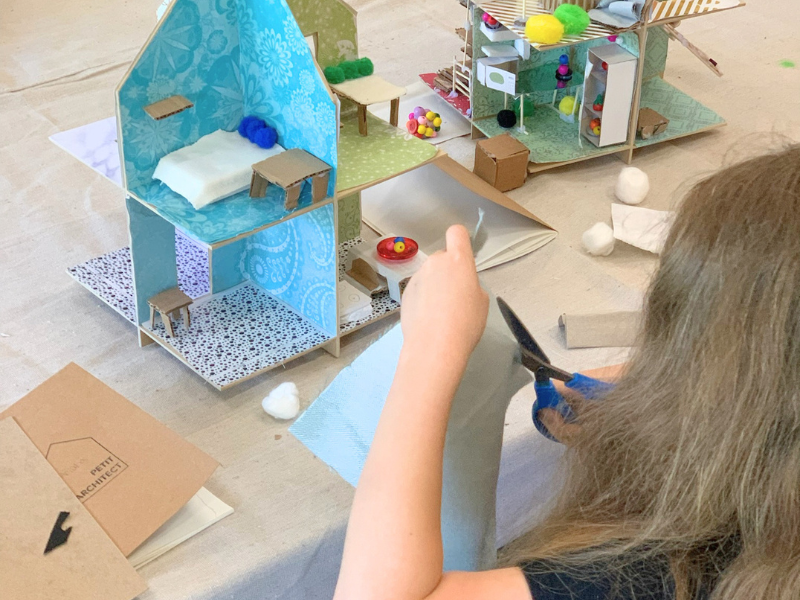
Architecture camp gives kids the chance to imagine big ideas and learn valuable skills in an engaging way. At the end of the week, campers leave with creativity, confidence, friendships, and a new way of seeing the world around them.
Interested in exploring upcoming camps and workshops? Learn more about current programs and themes.