
How to Raise Kids Who Care About Their Community
What makes a community a good place to live? Is it the buildings? The parks? The playgrounds? The local shops and cafés? The people who live there?
The answer is: all of it!
And while kids might not be thinking about “community building” in quite those words, they are already learning what it means to be part of a community every day. As parents, we can help them notice the people and places around them, understand how their neighbourhood works, and (most importantly) realize that their ideas and actions can make a difference.
Here are some simple ways to raise kids who care about their community.
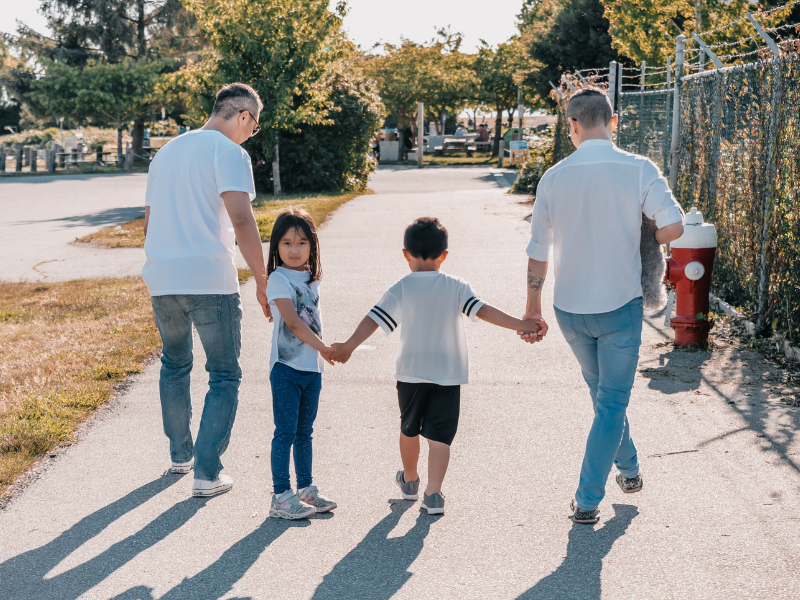
1. Start by exploring your own neighbourhood
You don't need to plan a big community service project to get kids interested in their community! Start with a simple walk around the neighbourhood. Look at the buildings, notice the trees, find the busiest street, visit the local library, or stop at the playground. Look for things like bike lanes, benches, public art, community gardens, and places where people gather.
Ask questions along the way:
Who uses this space?
What do you like about it?
What would you change?
Where do people go to meet each other?
Is there somewhere you'd like to see more trees, benches, or places to play?
How do you think this building or park helps the community?
These conversations help children understand that the places around us are designed for people and that design involves choices.
2. Help kids see themselves as part of the community
Sometimes “community” can sound like something adults take care of. But kids are community members too! They have ideas about their schools, parks, streets, playgrounds, and neighbourhoods. They notice things adults might overlook like which playground is the most fun, where there's nowhere to sit, and which spaces make them feel welcome. Give them opportunities to share those ideas!
You could ask your child to design their ideal playground, draw a better bus stop, plan a new community park, or create a neighbourhood where everyone has somewhere to go. It doesn't matter if the design is practical, the important part is learning that their ideas are worth exploring.
3. Teach kids to notice who is and isn't included
A great community needs to work for lots of different people. When you're walking around your neighbourhood, encourage kids to think about different experiences. Could someone using a wheelchair easily get into this building? Is there somewhere for a tired parent to sit? Can an older person safely cross the street? Is there a place for kids to play? Are there quiet spaces for people who need them?
You don't need to have all the answers. In fact, asking questions together is often more valuable than giving kids a list of rules. This is one of the foundations of design thinking (an important learning point we teach in all our programs). We teach kids to understand the people who will use something before deciding what to create.
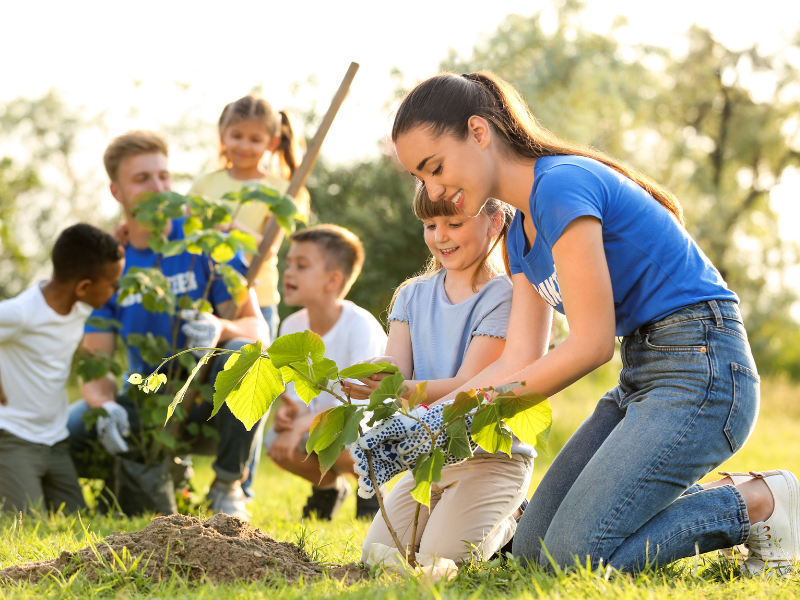
4. Give them real opportunities to help
Caring about your community becomes much more meaningful when kids can actually participate!
Depending on their age, that could mean:
Picking up litter at a local park
Helping in a community garden
Donating toys or books they no longer use
Making a thank-you card for a community worker
Helping a neighbour
Volunteering as a family
Taking part in a local event
Helping care for a shared outdoor space
The goal isn't to make children feel responsible for fixing every problem, it's to show them that small actions can contribute to something bigger.
5. Let kids experience different perspectives
One of the best ways to build empathy is to help children understand that other people may experience the same place differently. Try turning an ordinary walk into a little design challenge.
Imagine you're a grandparent walking this route. What would make it easier?
Imagine you're visiting this neighbourhood for the first time. What would help you find your way?
Imagine you're a kid who uses a wheelchair. What would you notice?
Imagine you don't have a car. How would you get around?
These simple questions encourage kids to look at familiar places in new ways which is an important skill for anyone who wants to participate in their community.
6. Talk about the people behind the places
Buildings and public spaces don't just appear out of thin air, they're shaped by architects, planners, engineers, artists, builders, business owners, community groups, governments, and (most importantly!) the people who use them. When you're visiting a new building or public space, talk about who might have helped create it! You can even look up the architect or designer together and learn why certain choices were made.
This helps kids understand that cities are something people create together and if people can create them, people can also imagine ways to make them better!
7. Encourage curiosity instead of giving them all the answers
You don't need to be an architect, urban planner, or community expert to teach your child about design and their neighbourhood, you just need to be curious together. The next time your child asks, “Why is this building like that?” or “Why don't they put a playground here?” resist the urge to immediately answer. Instead, try asking: “What do you think?” Maybe they'll have an idea you’ve never thought about!
Children are natural problem-solvers! Giving them space to observe, question, imagine, and create helps build confidence in their ability to contribute.
8. Make community something you do together
Kids learn a lot from what we do, not just what we tell them. When they see us supporting local businesses, attending community events, talking to neighbours, caring for shared spaces, participating in local activities, or simply saying hello to people around us, they learn that being part of a community is an everyday practice. Don’t make it complicated! Say hello to your neighbours, ask questions, show up, help out, and pay attention.
Over time, these small experiences help children understand that they aren't just living in a community, they're part of it!
Raising the next generation of community-minded designers
At Petit Architect, we believe children are capable of much more than simply learning about the world around them. They can question it, imagine alternatives, and design new possibilities that we’d have never considered. When kids build a model of a neighbourhood, design a public space, rethink a playground, or create their own dream city, they're learning about empathy, problem-solving, collaboration, sustainability, and the different ways people can shape the places they share. And that's a pretty powerful thing to learn at any age!
Because the communities of tomorrow will be shaped by today's kids, let's give them plenty of opportunities to imagine what those communities could look like.